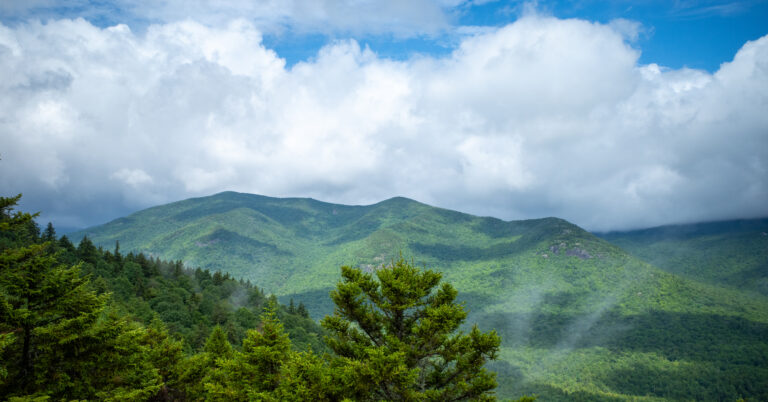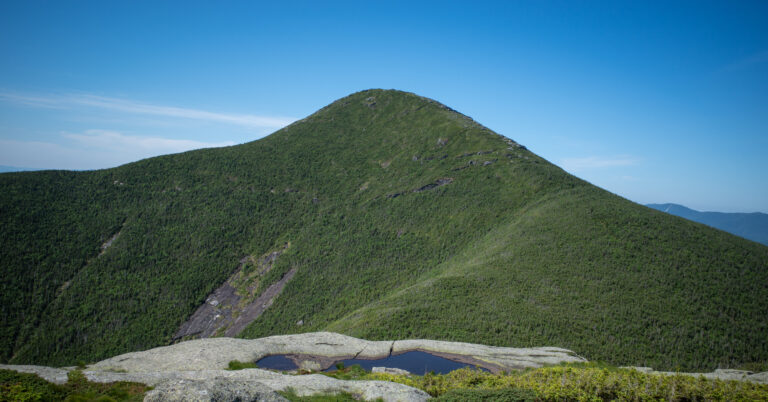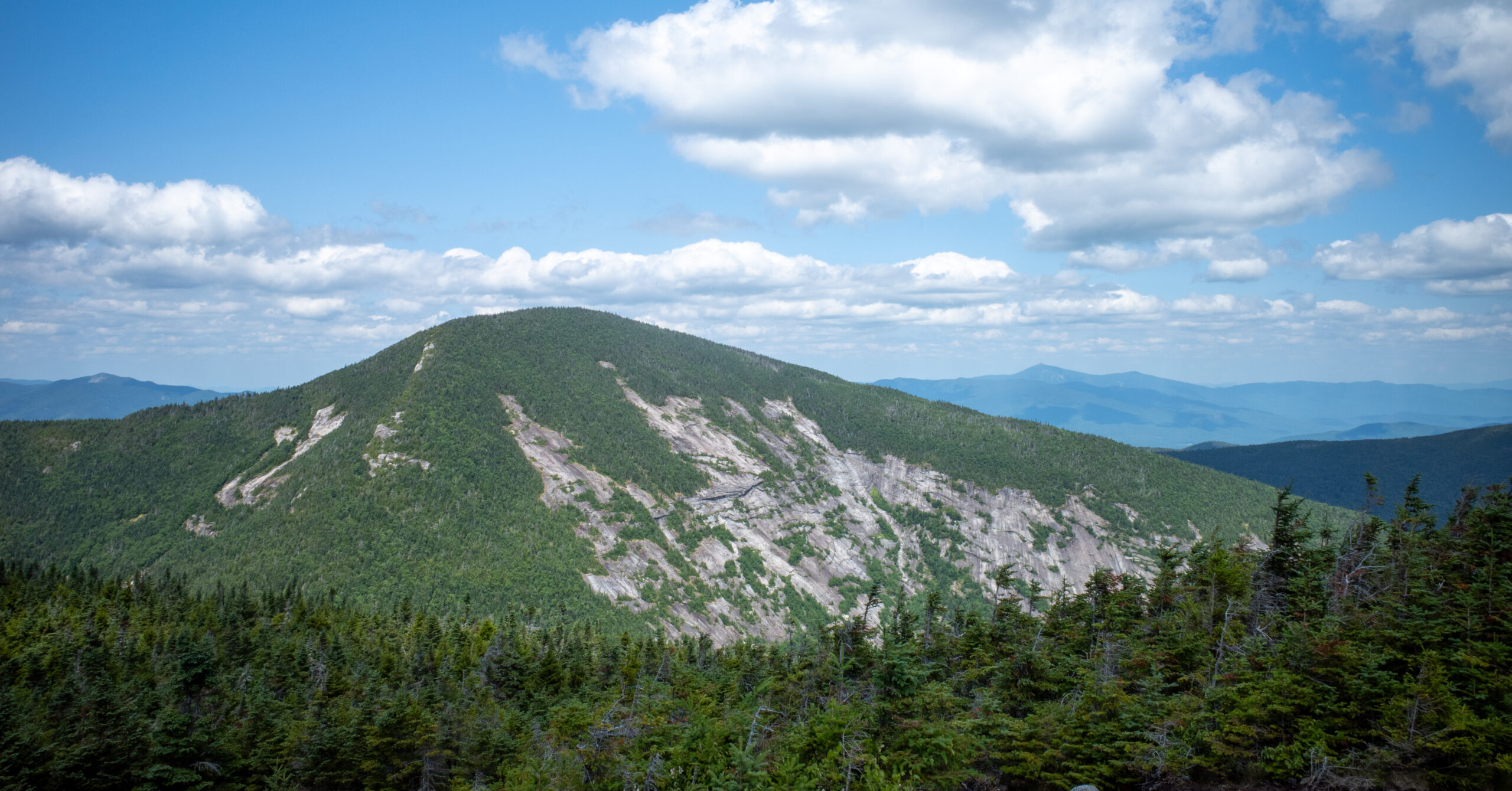
3-Day Adirondacks Hiking Itinerary: Lake Placid to Lake George
Trip Snapshot
| Trip Area | Lake Placid, the Route 73 corridor near Keene Valley, and the Lake George region of New York |
|---|---|
| Trip Length | Two nights and three days |
| Trip Date | Late July 2026 |
| Group | Solo |
| Day 1 Hike | Mount Van Hoevenberg East Trail Day Hike: 3.7 mi and +960 ft / -960 ft mapped |
| Day 2 Hike | Giant Mountain and Rocky Peak Ridge Day Hike via the Ridge Trail: 7.4 mi and +4,460 ft / -4,450 ft mapped, excluding the optional Giant Nubble spur |
| Day 3 Hike | Cat Mountain Day Hike from Edgecomb Pond: 3.4 mi and +1,150 ft / -1,150 ft mapped |
| Main Objective | Giant Mountain and Rocky Peak Ridge |
| Night 1 | Lake Placid |
| Night 2 | Warrensburg, near Lake George |
| Overall Difficulty | One strenuous High Peaks day between two moderate, shorter travel-day hikes |
| Best For | Hikers who want one difficult Adirondacks objective without leaving the arrival and departure days unused |
Scope of this itinerary: This is a dated firsthand account of my solo trip in late July 2026, not a current-conditions report. The timing, traffic, parking experience, lodging strategy, swim, trail conditions, and transportation choices describe what I experienced. Verify current access, parking, trail conditions, rules, alerts, transit, and rental details for yourself through the official Mt Van Hoevenberg hiking page, NYSDEC Adirondack backcountry notices, and the official sources linked in the three individual hike guides.
Overview
This was an efficient three-day Adirondacks trip built around one hard objective, with two shorter hikes making the drive days feel worthwhile.
The High Peaks I climbed on this trip are on my Adirondack 46ers checklist.
Giant Mountain and Rocky Peak Ridge justified the trip. Mount Van Hoevenberg made excellent use of the arrival afternoon, Chapel Pond turned the hardest day into a more memorable full-day experience, and Cat Mountain provided a manageable final hike while I continued south toward New York City.
The three hiking days were deliberately unequal. I did not want to stack three major objectives into a short summer weekend, but I also did not want Friday and Sunday to become pure driving days. The result was one strenuous centerpiece between two moderate hikes with much smaller time commitments.
I enjoyed the two shorter hikes, but neither would have justified the drive from New York City on its own. The Giant Mountain and Rocky Peak Ridge hike was the marquee objective that made the travel worthwhile. In this sequence, the shorter hikes added real value without undermining the main objective. Moving lodging south after Day 2 also kept the trip progressing toward home instead of forcing a return to Lake Placid.
Trip Geography
| Start | Grand Central to North White Plains by Metro-North, then rental-car pickup beside the station |
|---|---|
| Day 1 Area | Lake Placid and the Mt Van Hoevenberg Olympic complex |
| Day 2 Area | The Route 73 corridor near Keene Valley for Giant Mountain, Rocky Peak Ridge, and Chapel Pond |
| Night 2 Move | South to Warrensburg in the Lake George region |
| Day 3 Area | Edgecomb Pond and Cat Mountain near Bolton Landing |
| Finish | Continue south, return the car at North White Plains, and take Metro-North to New York City |
How to read this sequence: This is a north-to-south planning schematic, not a road map or a scale drawing. Use current navigation for the drives and the confirmed route maps in the individual hike guides for the trails.
Why This Itinerary Works
Each day has a different job: use the arrival afternoon, protect the main objective, then make the southbound departure productive.
- Day 1 stays controlled: Mount Van Hoevenberg is short enough for an afternoon start but still delivers a genuine High Peaks panorama.
- Day 2 gets the best energy: Giant Mountain and Rocky Peak Ridge receive the early start and full hiking day they deserve.
- Chapel Pond extends the experience without adding another hike: The nearby recovery stop made the main day feel complete before the drive south.
- The lodging move prevents backtracking: Carrying all luggage in the car made it possible to leave the Route 73 corridor for Warrensburg rather than returning to Lake Placid.
- Day 3 points toward home: Cat Mountain is substantial enough to be worthwhile but compact enough to leave most of the day for the return.
The sequence also creates a useful safety margin. If the arrival is delayed, Mount Van Hoevenberg can be dropped. If the main day becomes too much, Giant is a complete objective without Rocky Peak Ridge. If the final morning needs to be shortened, Cat Mountain is easier to omit than a hike around which the entire trip was built.
Three-Day Itinerary at a Glance
| Day | Plan | Details |
|---|---|---|
| Day 1 | Travel to Lake Placid and hike Mount Van Hoevenberg East Trail Day Hike | Hike: 3.7 mi, +960 ft / -960 ft mapped Firsthand: About 2:30–4:30 p.m. Sleep: Lake Placid |
| Day 2 | Giant Mountain and Rocky Peak Ridge Day Hike via the Ridge Trail, recover at Chapel Pond, then drive south | Hike: 7.4 mi, +4,460 ft / -4,450 ft mapped Firsthand: About 7:00 a.m.–2:30 p.m. Sleep: Warrensburg |
| Day 3 | Hike Cat Mountain Day Hike from Edgecomb Pond, then continue south toward New York City | Hike: 3.4 mi, +1,150 ft / -1,150 ft mapped Firsthand: About 9:00–11:30 a.m. Finish: North White Plains and Metro-North |
Day 1: Travel to Lake Placid and Mount Van Hoevenberg
An early train and convenient suburban rental pickup left enough afternoon for a moderate hike without making the first day feel rushed.
I woke early on Friday and took one of the first Metro-North trains from Grand Central to North White Plains. The Hertz location beside the station made the transition unusually simple: I left the train, picked up the car, and began driving north without first navigating New York City traffic in a rental.
Outbound Friday traffic was minimal during my trip. I reached the Lake Placid area in the early afternoon, got lunch, and settled at the hotel before driving to Mt Van Hoevenberg. I began hiking the East Trail around 2:30 p.m. and returned around 4:30 p.m.
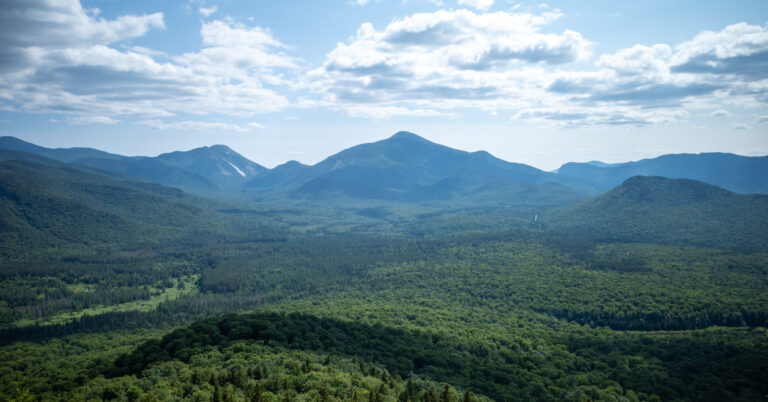
The hike was exactly the right size for the day. It provided sweeping High Peaks views without using the energy or daylight I wanted to preserve for Giant and Rocky Peak Ridge. The complete Mount Van Hoevenberg East Trail guide covers the route, my Lot A parking experience, venue layout, confirmed map, GPX file, and official planning sources.
That evening, Lake Placid added something beyond logistics. I could walk around town, see Mirror Lake, and enjoy being in a place with restaurants and activity after the drive. It was also relatively expensive, and it was not necessary for reaching the Giant Mountain Ridge Trailhead the next morning. A base in Keene Valley or another location closer to Route 73 could be more practical or economical.
Verify Mt Van Hoevenberg access: I parked in Lot A and hiked the East Trail in late July 2026. Parking assignments and Olympic-complex operations can change, so verify the setup for your date on the official parking page and daily report.
Day 2: Giant Mountain, Rocky Peak Ridge, and Chapel Pond
This was the centerpiece: an early Ridge Trail start, the hardest hiking of the trip, and a nearby pond stop that materially improved the afternoon.
I packed up the Lake Placid hotel, got a quick breakfast, and reached the Giant Mountain Trailhead Parking Area, also called the Zander Scott Trailhead, around 7:00 a.m. I began hiking shortly afterward and returned to the car around 2:30 p.m.
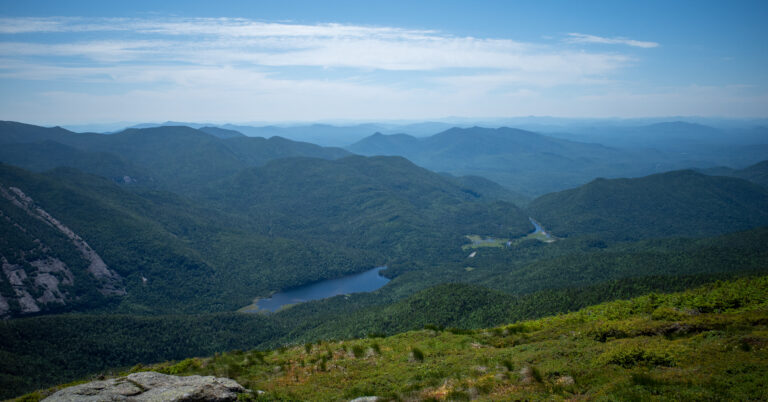
Giant Mountain was already a strenuous hike. Continuing across the col to Rocky Peak Ridge made the day exceptional, but it also added a steep descent, another climb, and the demanding return ascent toward Giant. Anyone considering the combination should read the complete Giant Mountain and Rocky Peak Ridge guide before treating this itinerary as a recommendation for the full route.
I carried approximately three liters of water and ran out before reaching the trailhead. That was my clearest planning mistake. I skipped the optional Giant Nubble spur because conserving water and finishing the primary route mattered more than adding another viewpoint. Next time, I would carry more water and bring a filter while still recognizing that a filter only helps where usable water is actually available.
After the hike, I drove the short distance along Route 73 to Chapel Pond. I swam, rested on shaded rocks, watched climbers, and let the hardest part of the day end gradually rather than moving immediately into another long drive. Chapel Pond was not just a convenient stop; it was one of the best logistical decisions of the trip.
All my luggage was already in the car, so there was no reason to return to Lake Placid. After recovering at the pond, I continued south, got food along the way, and stayed in Warrensburg near Lake George. That move placed me closer to Cat Mountain and shortened the final day’s north-to-south transition.
Chapel Pond context: I swam and rested at Chapel Pond during this late July 2026 trip. Swimming rules and conditions may differ on your visit. Check posted restrictions and the DEC Dix Mountain Tract page for yourself before going.
Verify Ridge Trail access: I used the Route 73 Ridge Trail and designated roadside parking in late July 2026. Parking rules, closures, and trail conditions can change. Use only legal parking and check the DEC Giant Mountain Wilderness page and Adirondack backcountry notices for yourself before leaving.
Day 3: Cat Mountain and the Drive Home
Cat Mountain was short enough for the departure morning, scenic enough to matter, and positioned south of the previous day’s hiking.
After breakfast in Warrensburg, I drove to the Edgecomb Pond Road parking area near Bolton Landing. I started around 9:00 a.m. and finished around 11:30 a.m., including roughly 20 minutes at the summit.
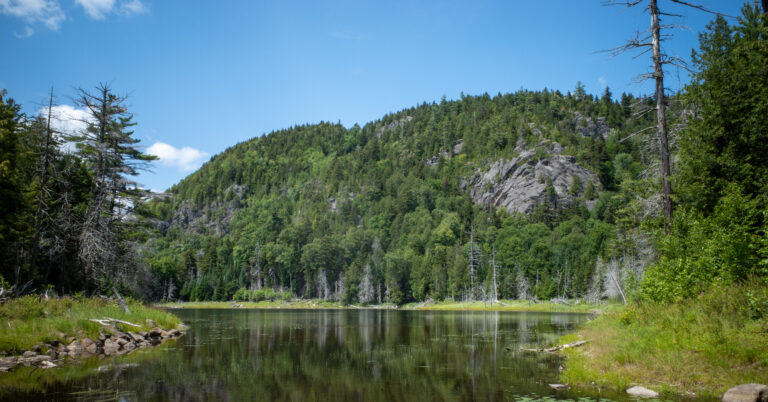
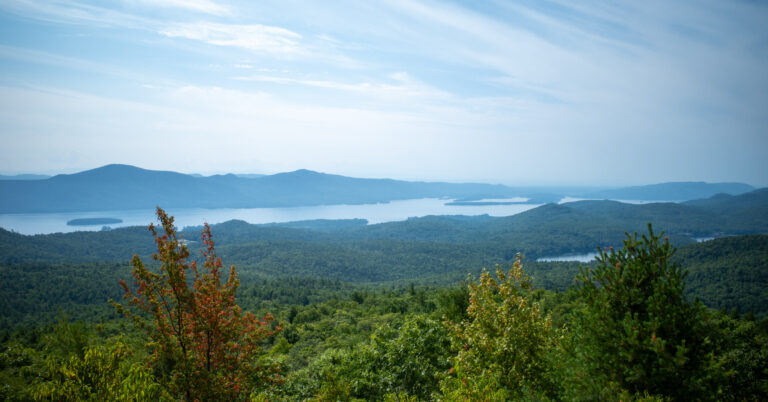
The route began with a pleasant walk beside Edgecomb Pond, then climbed through the woods to views across Lake George. My legs were sore from Giant and Rocky Peak Ridge, but the hike remained manageable. The complete Cat Mountain from Edgecomb Pond guide covers the exact route I used, official planning sources, map, GPX file, and the drinking-water context at Edgecomb Pond.
Cat Mountain was worthwhile in the context of the trip. I would not drive from New York City solely for this hike, but it was a smart final-day choice because it offered a real summit experience without consuming the entire day. I returned south afterward with most of the drive still ahead of me.
Sunday traffic on the New York State Thruway was heavy and made the return frustrating. The North White Plains rental strategy worked better outbound than inbound on this particular summer weekend: it avoided city driving and made pickup simple, but it did not remove the risk of a slow Sunday approach to the suburbs.
Verify Edgecomb Pond access: I started from the Edgecomb Pond Road parking area in late July 2026. Access, parking, trail conditions, and drinking-water protections can change. Swimming and bathing were prohibited at Edgecomb Pond when this draft was prepared. Verify the regulation and the LGLC Cat and Thomas Mountains page for yourself, and follow posted signs.
Where to Stay
Using two lodging areas cost some packing effort but reduced backtracking and aligned each night with the direction of travel.
Night 1: Lake Placid
Lake Placid provided atmosphere, restaurants, an easy evening walk, and Mirror Lake. I enjoyed staying there, but it was a preference rather than a logistical requirement. It was relatively expensive during my trip and placed me farther from the Giant Ridge Trailhead than a base around Keene Valley or another nearby community would have.
Night 2: Warrensburg Near Lake George
Moving south after Chapel Pond positioned me well for the Edgecomb Pond trailhead and the return toward New York City. Staying in Warrensburg avoided a drive back north the next morning.
Lodging tradeoff: A single base simplifies unpacking, while two bases reduce backtracking. Compare current availability and the drives you are willing to make; this itinerary does not assume a specific property, price, or level of lodging quality.
Transportation and Rental-Car Strategy
Taking Metro-North to a northern-suburb rental office reduced city driving, but train timing, office access, and Sunday traffic remain part of the decision.
For this trip, I traveled from Grand Central to North White Plains on Metro-North’s Harlem Line and used the Hertz location on Haarlem Avenue beside the station. Pickup was extremely convenient, and the staffed hours fit my schedule. I returned while the office was staffed, so I cannot speak from experience about after-hours returns.
The main advantage was avoiding a rental pickup and the first miles of driving inside New York City. The main weakness was that the strategy still left me exposed to heavy Sunday traffic before reaching North White Plains, followed by the train ride into Manhattan. On another summer weekend, I might compare a different rental location or routing strategy before repeating the exact plan.
- Renting in New York City: May simplify the final handoff but adds city driving and city pickup logistics.
- Renting in the northern suburbs: Can avoid city driving and pair well with Metro-North, but requires coordinating two transportation systems.
- Train timing: A delayed or less frequent train can compress the arrival day or complicate the return.
- Office access: Staffed hours, after-hours procedures, and rental terms need direct confirmation for the exact reservation.
- Sunday traffic: The suburban return point does not guarantee a fast drive south.
Verify rather than copy this setup: Use the official North White Plains station page and MTA TrainTime for current Metro-North service, and the official Hertz Haarlem Avenue location page for current office information and rental terms. I am intentionally not reproducing train times, office hours, prices, or return policies here.
Difficulty and Who This Trip Is For
This is not three equally difficult hiking days; it is one strenuous High Peaks day supported by two moderate hikes.
Mount Van Hoevenberg and Cat Mountain are moderate outings with manageable schedules. They still require normal day-hiking preparation, but neither matched the physical demand of Giant and Rocky Peak Ridge. Day 2 included sustained climbing, steep exposed rock, the descent and climb across the col, and a long return after much of the day’s energy had already been used.
The itinerary suits a hiker who is comfortable planning independently, wants one difficult objective, and can make conservative decisions about water, weather, parking, and turnarounds. It also suits someone who values using travel days efficiently more than maximizing mileage every day.
Someone unsure about combining Giant with Rocky Peak Ridge should review that individual guide carefully and should not let a three-day schedule pressure the decision at Giant. The fact that Day 1 and Day 3 are shorter does not make Day 2 easier.
Solo safety: I completed this trip solo. Leave a detailed itinerary with someone, carry the essentials and offline navigation, and choose objectives that match your experience and the current conditions.
How to Modify the Itinerary
The structure is more important than copying every stop: protect one main objective and keep the travel-day hikes flexible.
- Drop Day 1’s hike after a delayed arrival: Mount Van Hoevenberg worked because daylight, weather, and energy allowed it; it should not become a rushed obligation.
- Hike Giant without Rocky Peak Ridge: Giant is a complete strenuous hike, and the summit is the most important decision point for the extension.
- Consider the Giant Nubble only as a separately evaluated option: I skipped the spur and do not present it as part of the completed itinerary. Confirm its route and current conditions in the individual guide and official sources.
- Replace the second-day route: The trip pattern still works around a different main objective, but plan that hike independently rather than assuming Giant’s timing, parking, water, or difficulty applies.
- Skip Cat Mountain when the return matters more: The last hike added value, but it was not important enough to justify forcing a late or stressful trip home.
- Use one lodging base: This reduces packing but adds backtracking; compare the tradeoff against the two-location plan.
What I Would Change
The trip format worked; the clearest change is the water plan for Giant and Rocky Peak Ridge.
I would carry more than the approximately three liters I brought on the main hike and add a filter as a backup. I would still research where water might actually be available rather than assuming the filter solves the problem. Running out near the end influenced my decision to skip the Nubble and was the only serious planning regret of the weekend.
I might also compare lodging closer to Keene Valley for Night 1. Lake Placid was enjoyable and gave the trip more atmosphere, but it was not the most efficient or economical base for the Ridge Trailhead.
Finally, I would reconsider the exact rental location or Sunday return strategy. North White Plains was generally successful and particularly good outbound, but the heavy Thruway traffic weakened the inbound advantage on this weekend.
Is This Three-Day Adirondacks Trip Worth Doing?
Yes, because Giant and Rocky Peak Ridge supplied a trip-worthy centerpiece and the supporting days were chosen with restraint.
The Giant Mountain and Rocky Peak Ridge hike was the marquee objective that justified the travel. Mount Van Hoevenberg had excellent views for the effort, Cat Mountain was a smart final-day choice, and Chapel Pond was one of the best logistical decisions of the trip.
I enjoyed the smaller hikes, but Giant and Rocky Peak Ridge remained the reason to make the drive from New York City.
I had no major regrets. Lake Placid was enjoyable but not essential, the two-location lodging plan reduced backtracking, and the three-day format made good use of a short window. I would change the water and filter plan for Day 2 and compare the Sunday rental return options, but I would keep the overall structure.
Photo Highlights
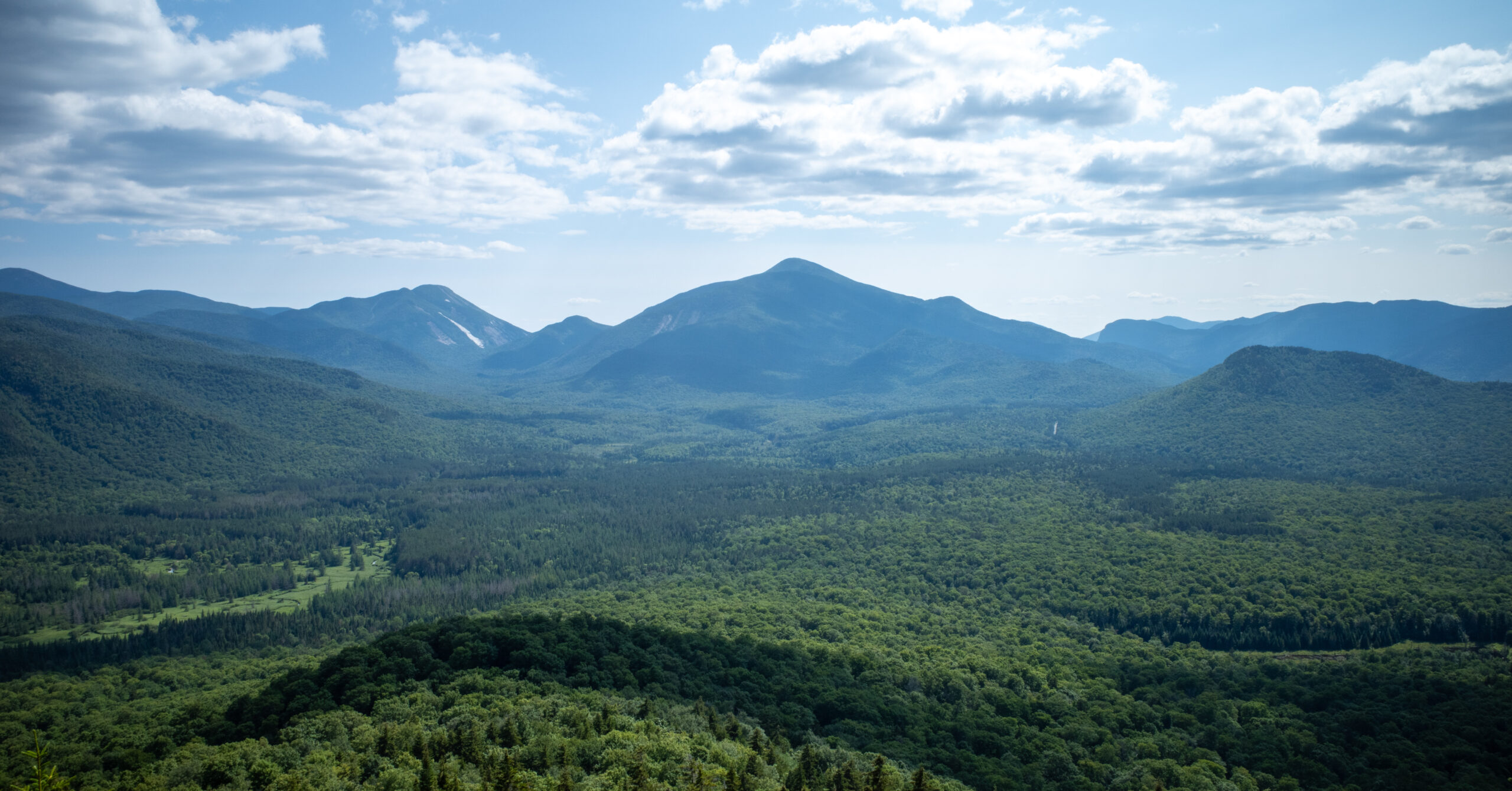
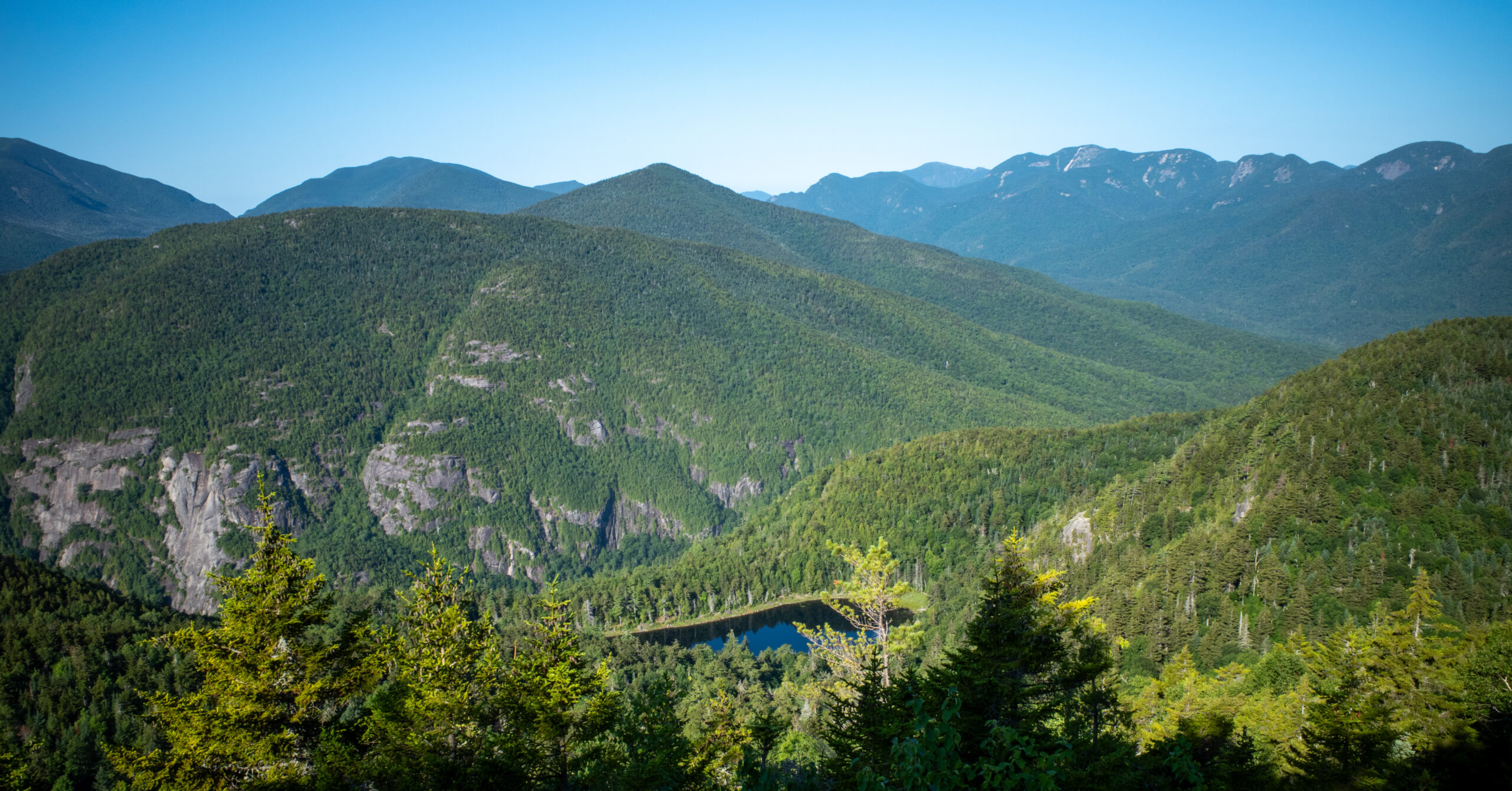
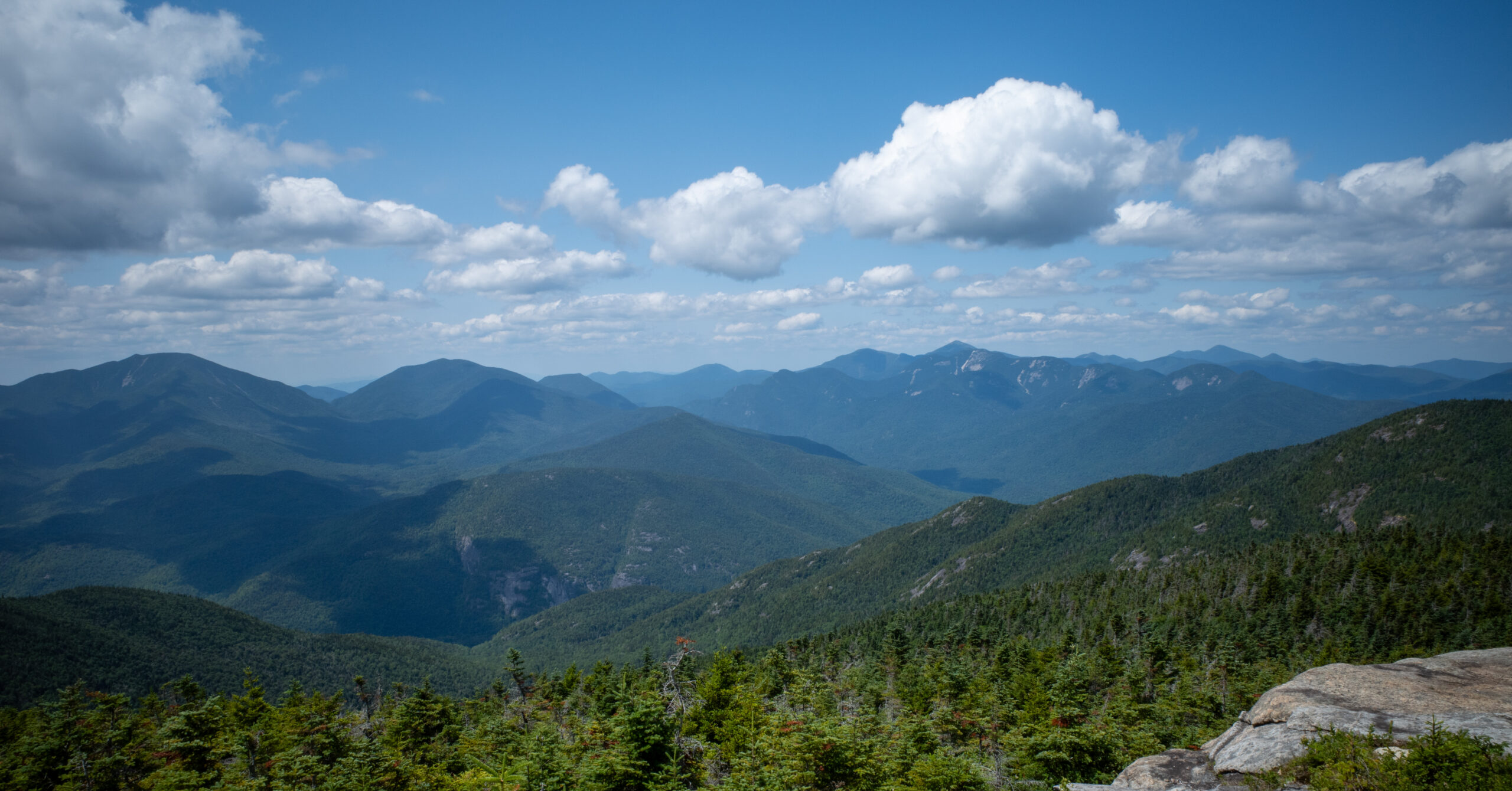
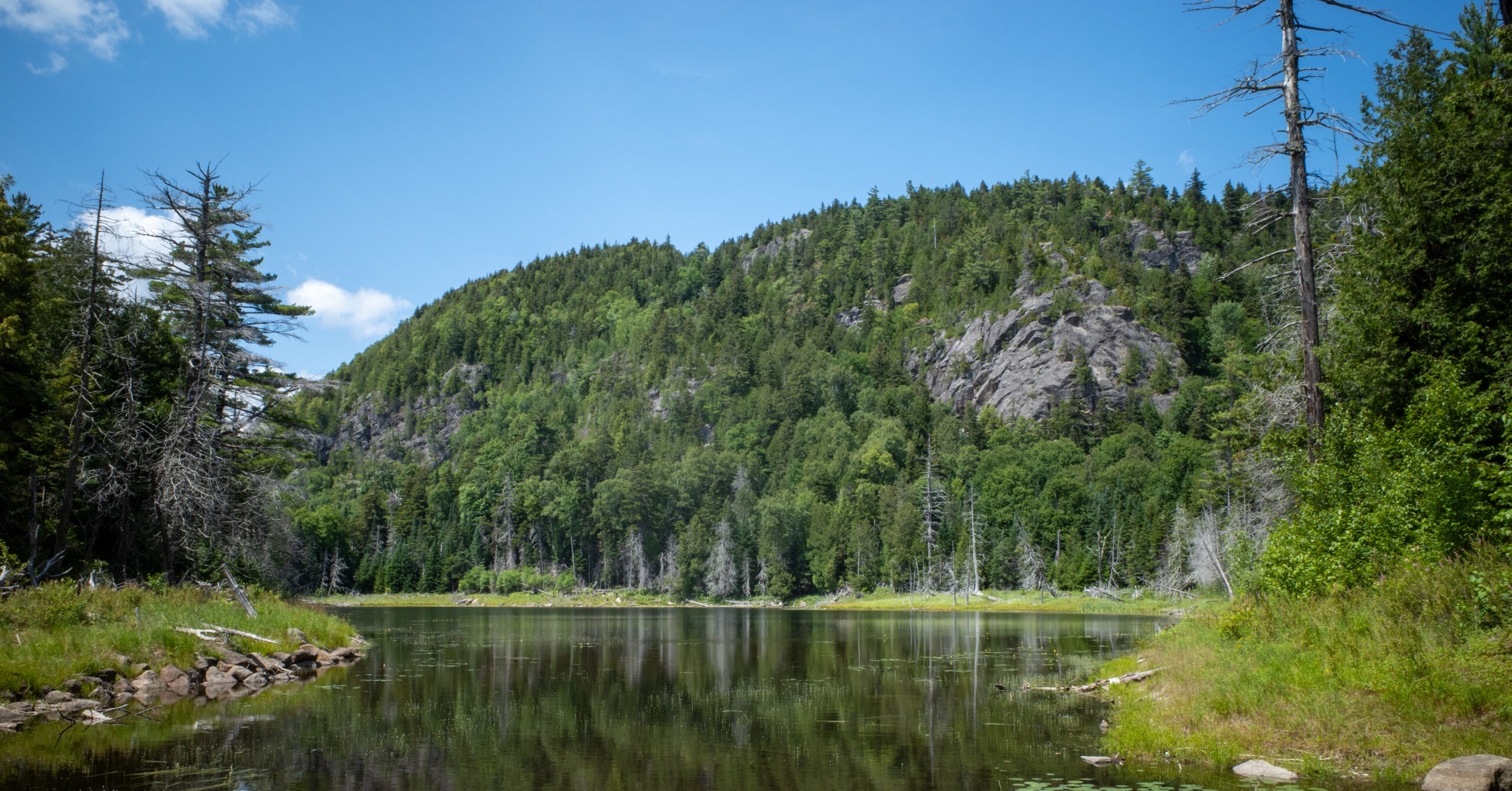
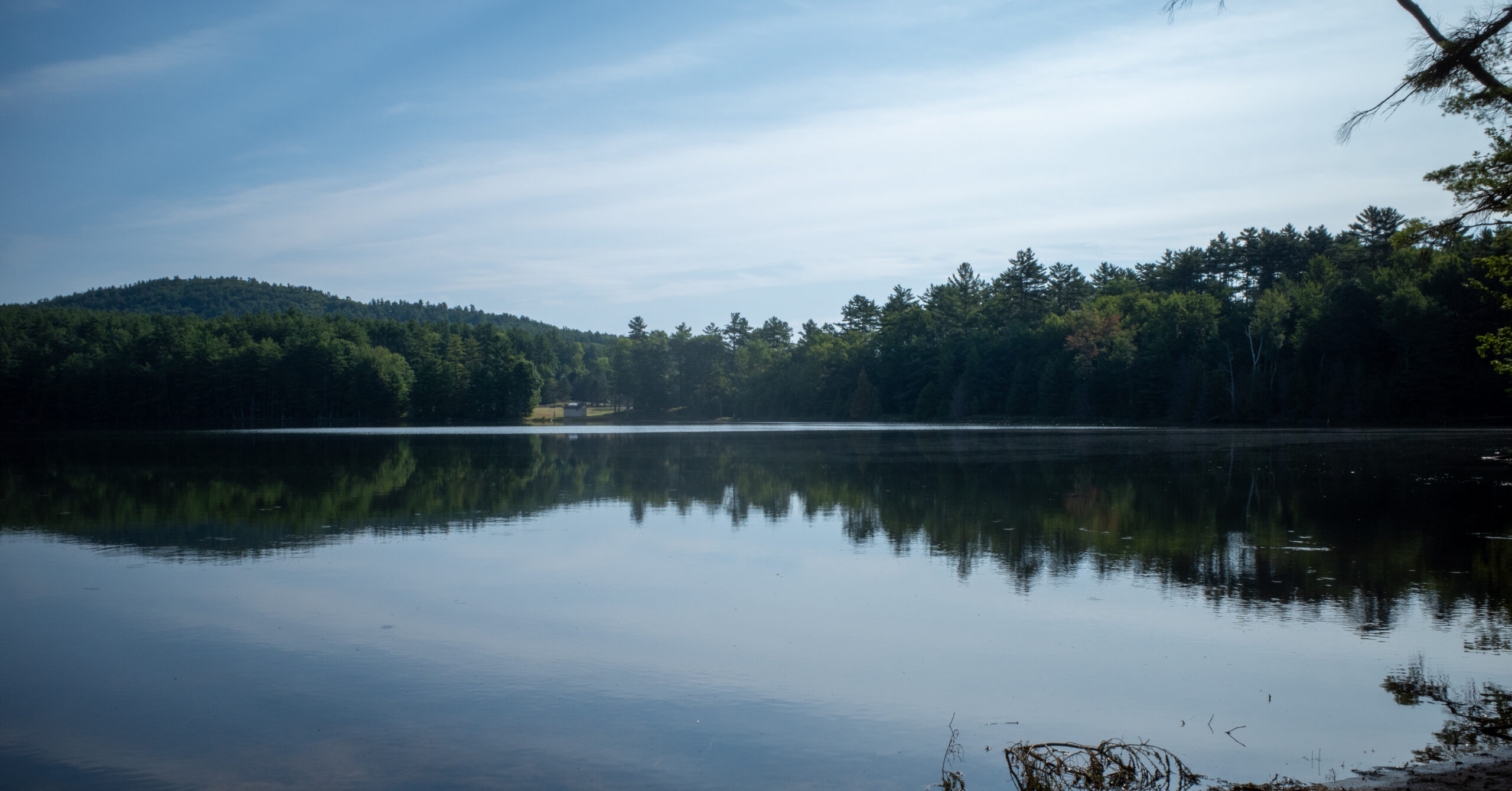
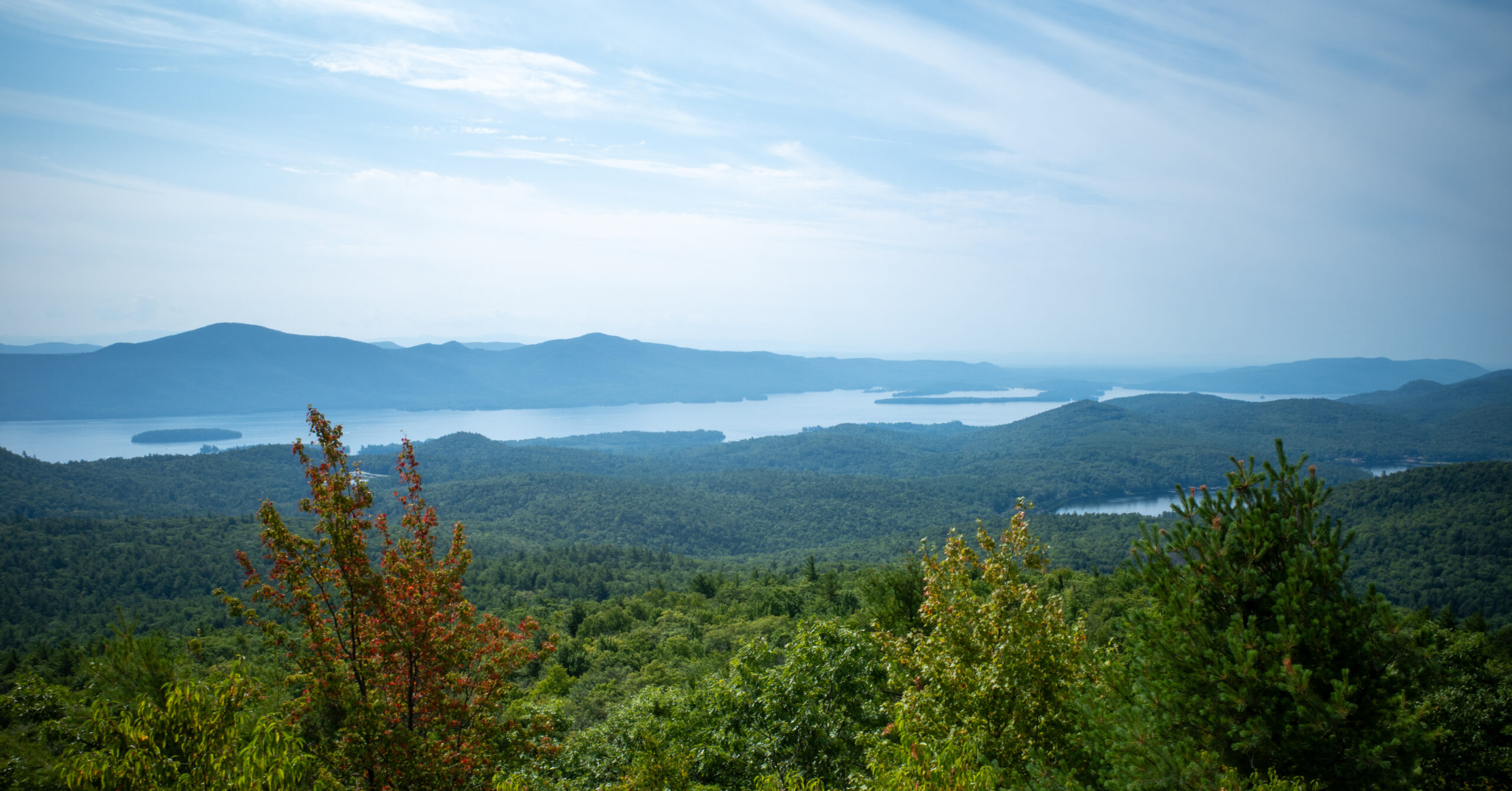
Six frames follow the trip from Mount Van Hoevenberg’s summit ledges through the Giant and Rocky Peak Ridge day, then south to Edgecomb Pond and Cat Mountain, including the hero image from each individual hike guide.
Individual Hike Guides
Use this page to plan the three-day sequence and the individual guides to plan each trail.
Mount Van Hoevenberg East Trail Day Hike
The complete Day 1 guide covers the 3.7-mile mapped route, +960 ft / -960 ft, Lot A, Olympic-complex navigation, summit views, confirmed route map, and GPX download.
Giant Mountain and Rocky Peak Ridge Day Hike via the Ridge Trail
The complete Day 2 guide covers the 7.4-mile mapped route, +4,460 ft / -4,450 ft, the Rocky Peak Ridge decision, water planning, Route 73 parking context, the optional Nubble, Chapel Pond, confirmed maps, and GPX download.
Cat Mountain Day Hike from Edgecomb Pond
The complete Day 3 guide covers the direct 3.4-mile mapped out-and-back, +1,150 ft / -1,150 ft, the exact Edgecomb Pond route, parking, Edgecomb Pond drinking-water context, confirmed map, and GPX download.